Information Gain SEO
Information Gain SEO – How to Beat Google AI Overviews & ChatGPT
Everyone is writing the same thing. If you search for “best SEO practices” or “how to bake sourdough”, you will see ten results that look almost identical. They cover the same points, use the same headings, and often rewrite the same Wikipedia definition.
This is the “echo chamber” of the internet, and search engines are tired of it.
Google’s patents and recent algorithm updates point to a solution: Information Gain. It is no longer enough to just match the user intent; you must add something new to the conversation. With the rise of AI Overviews (formerly Google SGE) and ChatGPT, the stakes are even higher. AI models ignore repetitive content. They look for the unique signal in the noise.
This article explores Information Gain SEO: what it is, why it is the only way to survive in an AI-first world, and how you can implement it today.
Table of Contents
1. What is Information Gain in SEO?
Information Gain in SEO refers to a patent-based concept where Google assigns a score to content based on how much new information it provides compared to other documents already in the search index.
If a user reads three articles about “link building”, and your article is the fourth one they click, Google wants to know: Did the user learn anything new?
If your content simply rehashes what is already ranking on page one, your information gain score is near zero. However, if you provide a new perspective, original data, a counter-argument, or a unique case study, your information gain score increases.
The Patent Background
Google filed a patent titled “Contextual estimation of link information gain” (and related patents regarding “Information Gain Score”), which essentially describes a system that re-ranks documents based on the additional value they offer.
In the era of AI search optimization, this is critical. Large Language Models (LLMs) like Gemini and ChatGPT are trained on the entire internet. They already “know” the generic answer. They don’t need another generic article to cite; they need a unique source that provides fresh data they haven’t seen a thousand times before.
2. How Google Measures New Information
Google doesn’t read like a human, but it processes semantic entities and relationships. To measure new information, search algorithms likely compare your content against a “consensus” of the current top-ranking results.
Here is how the measurement logic generally works:
- Entity Extraction: Google identifies the core entities (people, places, concepts) in your text.
- Vector Similarity: It compares the vector embeddings of your content against the existing cluster of top results. If your vectors are too similar, you are flagged as redundant.
- Unique Propositions: Algorithms look for unique semantic triples (Subject-Verb-Object) that don’t appear in other documents. For example, if everyone says “SEO is hard” but you provide data saying “SEO takes 6 months on average”, that specific data point is a unique proposition.
Media Analysis: Unique images, charts, and videos are analysed to see if they offer visual information gain not present elsewhere.
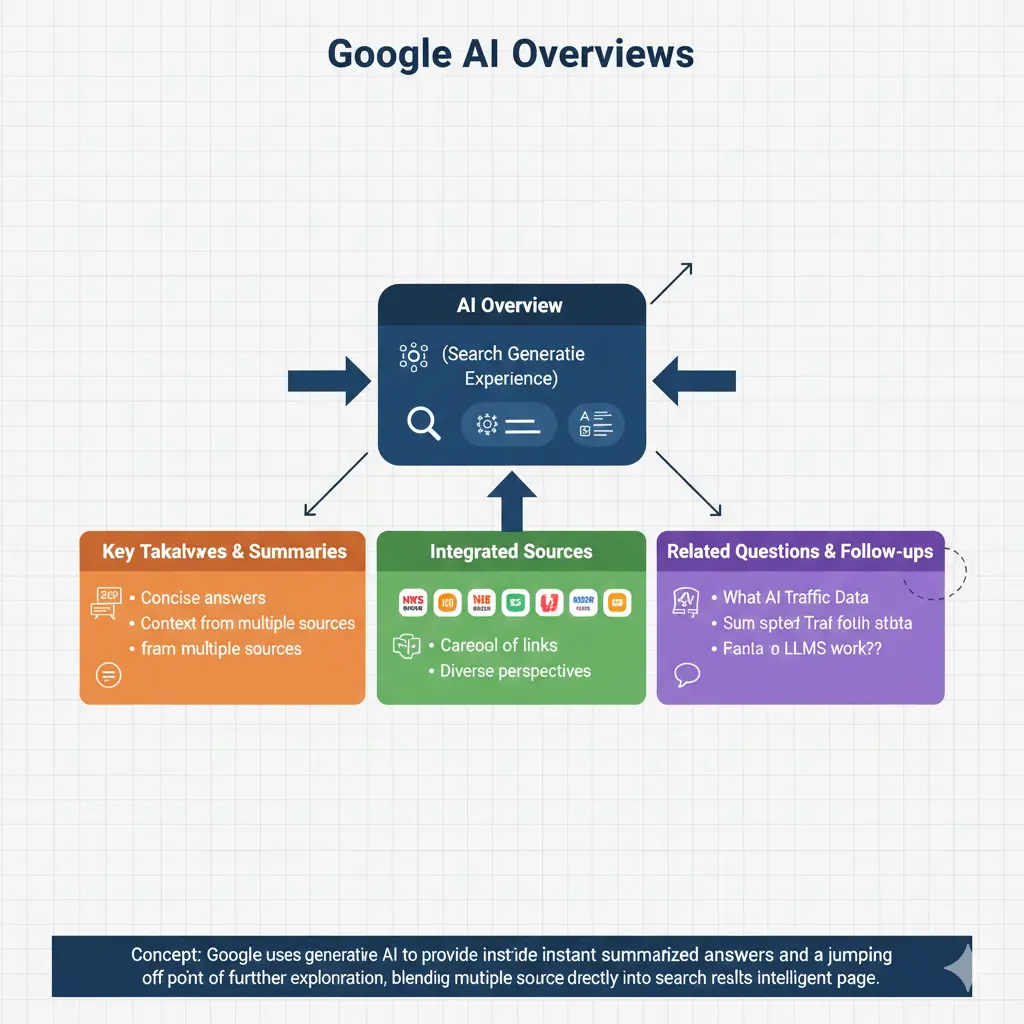
3. Information Gain vs Traditional Content
Traditional SEO often relied on the “Skyscraper Technique”. You would look at the top result, copy its structure, make it slightly longer, and add more keywords. This resulted in “copycat content”.
Information Gain SEO is the opposite of the Skyscraper Technique.
Feature | Traditional “Copycat” SEO | Information Gain SEO |
Goal | Match the top-ranking content | Differ from the top-ranking content |
Research | Summarising top 10 Google results | Interviews, original data, experiments |
Length | “Longer is better” | “Denser is better” |
Value | Comprehensive coverage | Unique insight or angle |
AI Impact | Easily replaced by AI summaries | Cited as a source by AI |
If your strategy is simply to aggregate what everyone else has said, you are feeding the AI models that will eventually replace you.
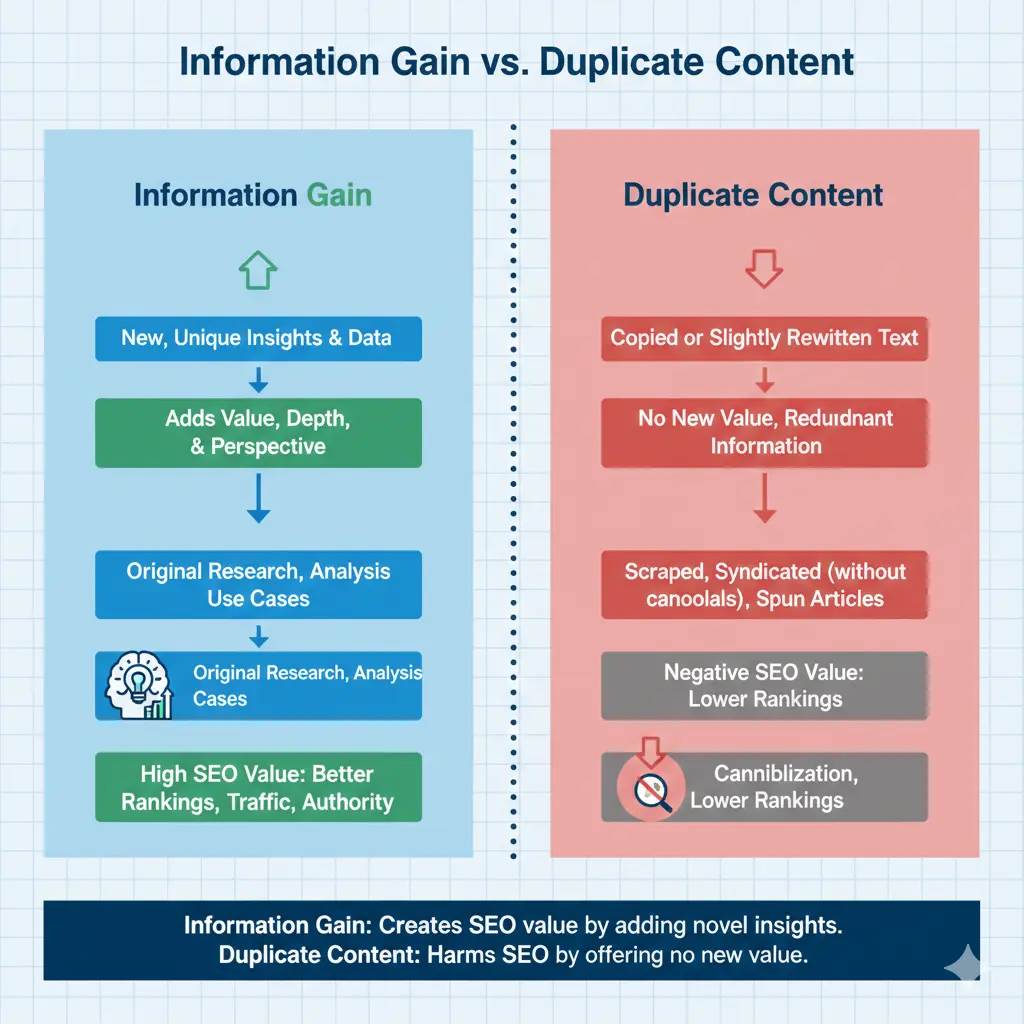
4. Why AI Overviews Prefer Unique Content
AI Overviews (like Google SGE) and LLM-based answers are designed to synthesise general knowledge. When a user asks a question, the AI generates a summary of the consensus.
However, to build trust and avoid hallucinations, these models need to cite sources. They are programmed to look for “grounding” documents—sources that provide the specific facts used in the answer.
If 50 articles say the exact same thing, the AI chooses the most authoritative one (often Wikipedia or a major publisher) and ignores the rest. But if your article contains a unique statistic or a contrarian viewpoint, the AI must cite you to include that specific piece of information.
Key takeaway: You cannot out-robot the robot. Generic content is the domain of AI. Unique human insight is the domain of humans, and that is what Advanced SEO must focus on now.
5. How to Create High-Information Content
Creating high-information content is harder than traditional SEO writing. You cannot just ask a freelance writer to “Google it and write a post”. You need to inject value that doesn’t currently exist in the SERPs (Search Engine Results Pages).
Add a Unique Angle (The "Experience" Factor)
Google’s E-E-A-T guidelines emphasise “Experience”. Did you actually do the thing you are writing about?
- Generic: “Here is how to fix a leaky tap.”
Information Gain: “I fixed 50 leaky taps last year; here is why the standard wrench method fails on vintage plumbing.”
Consolidate Disparate Sources
If the answer to a user’s problem is scattered across a forum thread, a PDF manual, and a YouTube video, consolidating that into a single, cohesive guide provides massive information gain. You are saving the user the effort of synthesis.
Challenge the Consensus
If everyone agrees on something, is there a nuance they are missing? A valid counter-argument signals to search engines that your content is distinct.
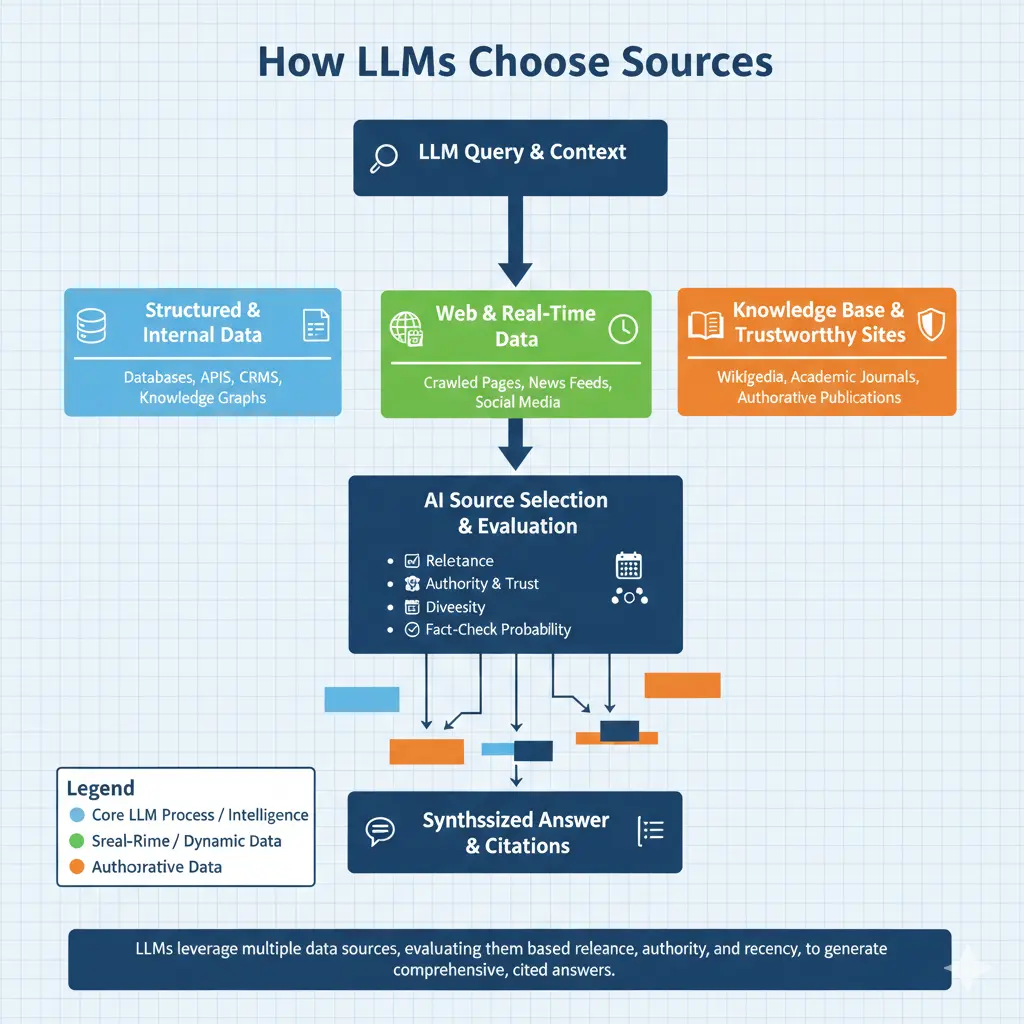
6. Data, Experiments & Original Research
The holy grail of Information Gain SEO is original research. This is unique data SEO in action. When you publish new data, you become the primary source.
- Surveys: Poll your audience or industry peers. Even 100 responses can generate a unique statistic.
- Internal Data: Do you have sales data, customer support logs, or traffic analytics? Anonymise and publish trends. For example, “We analysed 1 million emails to see which subject lines get opened.”
- Experiments: Run a test. Try a specific diet, test a software tool, or run a marketing campaign and document the results exactly.
When you own the data, you own the backlinks, and you become a critical node for Entity SEO.
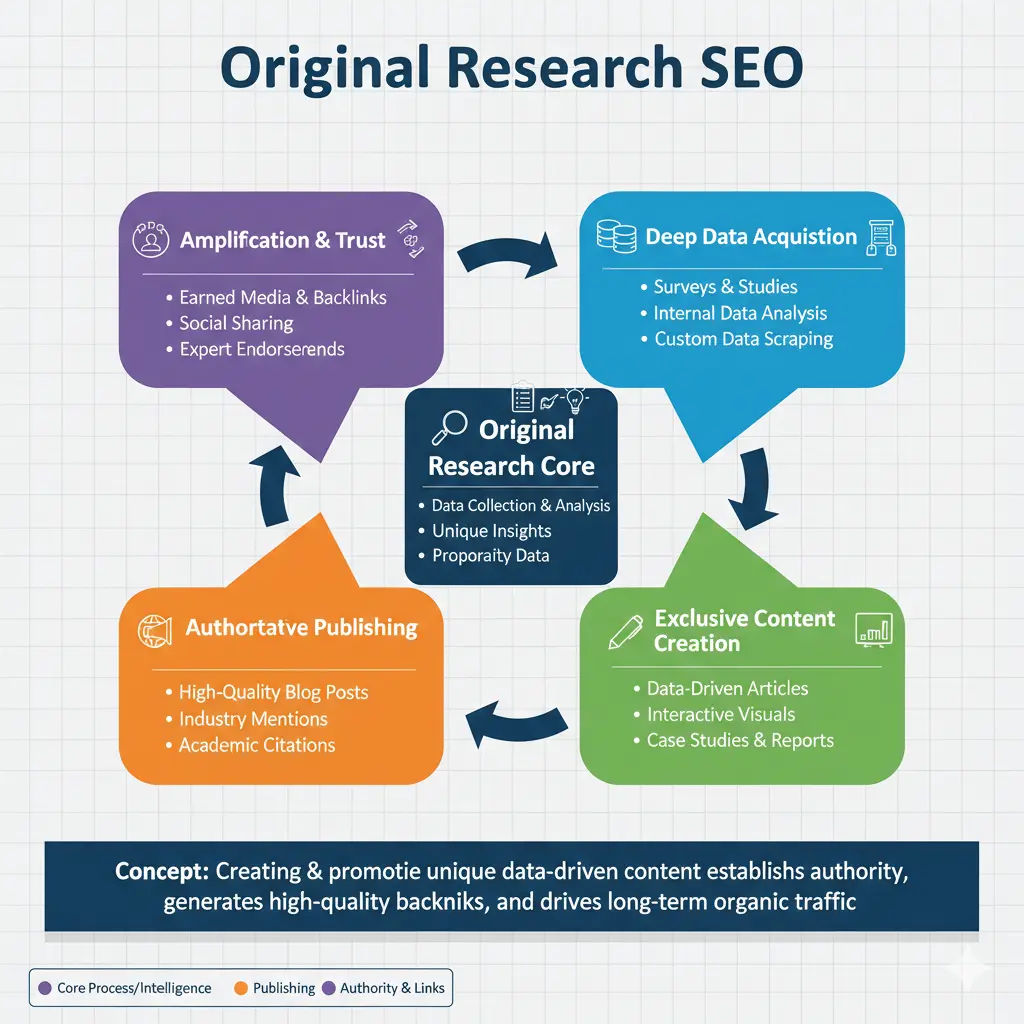
7. Information Gain for LLM SEO
Optimising for Large Language Models (LLM SEO) requires a shift in how we structure content. LLMs are hungry for facts and relationships between entities.
To maximise your chances of being surfaced in ChatGPT or Gemini:
- Be Direct: Place your unique finding at the start of the section. Don’t bury the lead.
- Use Structured Data: Schema markup helps machines understand your specific data points.
- Quote Experts: Include quotes that don’t appear elsewhere online. This connects your content to authoritative entities.
- Connect the Dots: Explicitly state the relationship between concepts. “X affects Y because of Z.” This helps the LLM form a logical chain of thought.
This approach builds Topical Authority not just by covering a topic, but by deepening the knowledge graph surrounding it.
8. Tools to Measure Content Uniqueness
How do you know if your content actually provides information gain? While Google doesn’t give us a score, we can use proxies.
- Semantic Similarity Tools: Tools that compare your text against the top 10 results. If your semantic overlap is too high (e.g., above 70-80%), you are likely not adding enough new value.
- TF-IDF Analysis: Look for terms that appear in your content but not in competitors’. These “rare terms” often signal unique sub-topics.
- Plagiarism Checkers: Not just for direct copying, but to ensure your phrasing isn’t too generic.
- AI Content Detectors: Ironically, if your content is flagged as 100% AI-written, it might lack the nuance and “burstiness” of high-information human writing.
9. Information Gain SEO Strategy
To implement this across your site, you need a strategy shift. This fits perfectly with Programmatic SEO if you can inject unique data points into your templates.
The “Zero-Click” Audit
Look at your existing content. If an AI Overview can fully answer the user’s query by summarising your H2s, that page is in danger. You need to add depth that a summary cannot capture.
The SME (Subject Matter Expert) Interview
Stop writing in a vacuum. Interview an SME for every major piece of content. Their anecdotes and specific vocabulary add automatic information gain that a generalist writer cannot fake.
Review Your Content Velocity
It is better to publish one piece of high-information content per month than ten pieces of generic fluff. The internet is full; don’t add to the landfill.
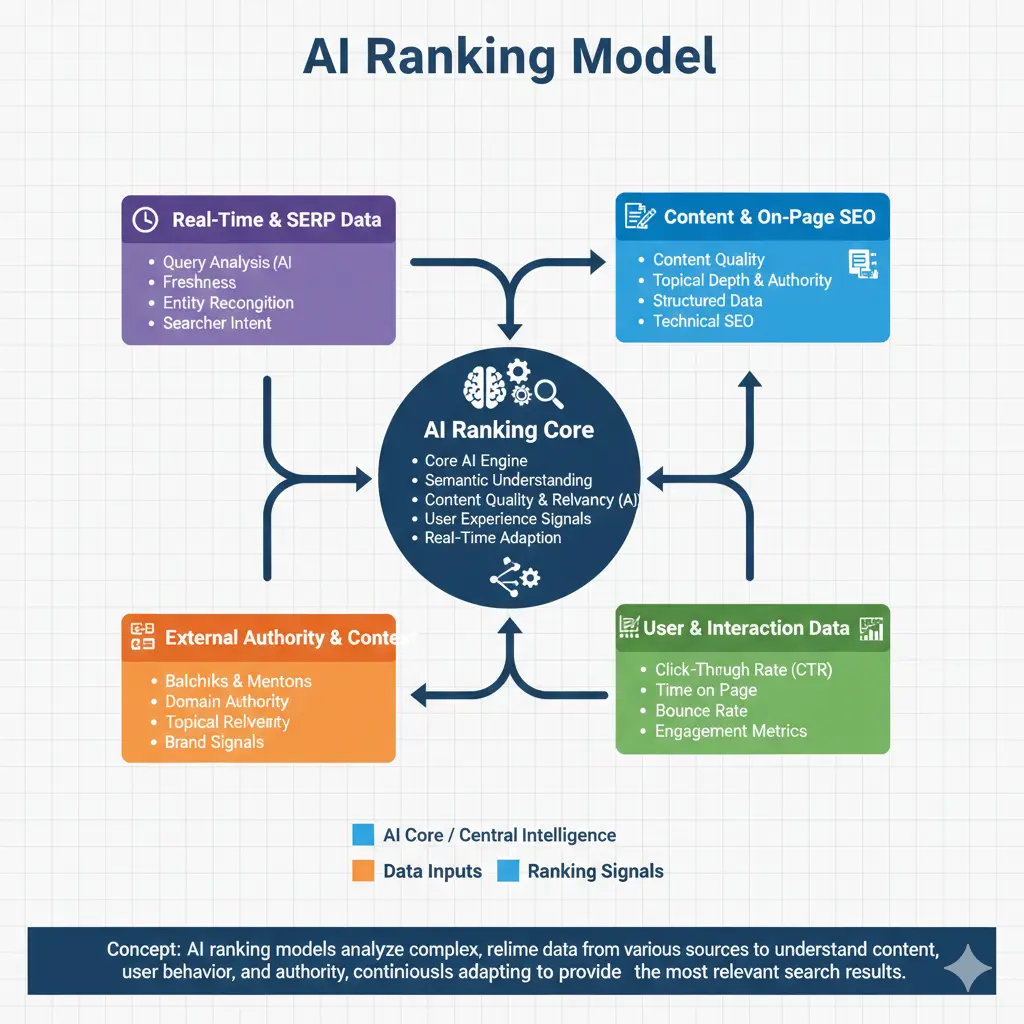
10. Future of AI Ranking Systems
As we move toward a future dominated by helpful content updates and generative search, the definition of “quality” is changing.
Search engines are evolving from “libraries” (storing documents) to “engines” (generating answers). In this new world, the documents that feed the engine must be high-octane fuel. Low-quality, repetitive content clogs the engine.
The future of ranking lies in being the source of the truth, not the repeater of it. By focusing on Information Gain SEO, you future-proof your website against algorithm updates and ensure that whether a human or an AI is searching, your content is the one they find.
FAQ
Information Gain in SEO refers to a concept—based on Google patents—where search engines assign a score to content based on the new value it provides compared to existing search results. Instead of just repeating what is already on page one, high-information gain content offers unique insights, original data, or fresh perspectives.
Traditional SEO often relies on the "Skyscraper Technique," where you create longer versions of competitor content that cover the same points. Information Gain SEO is the opposite; it focuses on differing from the top-ranking content rather than mimicking it. The goal is to provide unique value rather than just comprehensive coverage.
AI Overviews and Large Language Models (LLMs) are designed to synthesise general consensus. To avoid redundancy, they prioritise "grounding" documents—sources that provide specific, unique facts or data not found elsewhere. If your content is generic, AI models have no reason to cite you over a major publisher like Wikipedia.
while Google doesn't read like a human, algorithms likely measure information gain through:
- Entity Extraction: Identifying core concepts in your text.
- Vector Similarity: Comparing your content's "fingerprint" against existing top results.
- Unique Propositions: Looking for semantic statements (Subject-Verb-Object) that don't appear in other documents.
- Media Analysis: Checking for unique images, charts, or videos.
Original research is the most effective way to achieve a high Information Gain score. By publishing new data—such as survey results, internal analytics, or experiment outcomes—you become the primary source for that information. This naturally attracts backlinks and citations from AI models looking for facts.
Large Language Models look for sources that offer unique data points or specific "grounding" facts to support their answers. If 50 articles state the same general advice, the AI will often pick one authoritative source and ignore the rest. To be cited, your content must offer a specific statistic, quote, or insight that the AI cannot get from the consensus.
To create content with high information gain:
- Add a Unique Angle: Share personal experiences or "in-the-trenches" advice (e.g., "Why standard methods failed for me").
- Consolidate Sources: Bring together information scattered across forums, PDFs, and videos into one guide.
- Challenge the Consensus: Offer a valid counter-argument or nuance that others are missing.
- Interview Experts: Include quotes and insights from Subject Matter Experts (SMEs) that aren't available online.
To optimise for ChatGPT, Gemini, and other LLMs:
- Be Direct: Place unique findings at the start of your sections.
- Use Structured Data: Help machines understand your specific data points with Schema markup.
- Connect Concepts: Explicitly state relationships (e.g., "X affects Y because of Z") to help the LLM form a logical chain.
- Include Unique Quotes: Use expert quotes to connect your content to authoritative entities.
While there is no official "Information Gain Score" tool, you can use:
- Semantic Similarity Tools: Check how much your text overlaps with top results (aim for lower overlap).
- TF-IDF Analysis: Identify "rare terms" in your content that competitors aren't using.
- Plagiarism Checkers: Ensure your phrasing isn't too generic.
- AI Content Detectors: Content flagged as 100% AI-written may lack the "burstiness" and nuance of high-information human writing.
Search engines are evolving from "libraries" that store documents to "engines" that generate answers. In this future, the definition of quality shifts from "comprehensive" to "original." Ranking systems will likely prioritise content that acts as a source of truth—providing the high-octane fuel for AI answers—while filtering out repetitive, low-value content.